

More people today want to think faster, focus longer, and remember more. In 2025, this demand has sparked a sharp rise in smart pills, also called nootropics. These brain supplements promise to enhance mental performance. They’re no longer just for students or biohackers. Professionals, parents, and even retirees are exploring these options to stay sharp in a fast-moving world. It’s not about boosting IQ overnight. It’s about getting through long workdays with clarity. Or staying mentally alert despite aging or sleep debt. This desire for a cognitive edge is shaping the future of wellness.
What Smart Pills Really Do
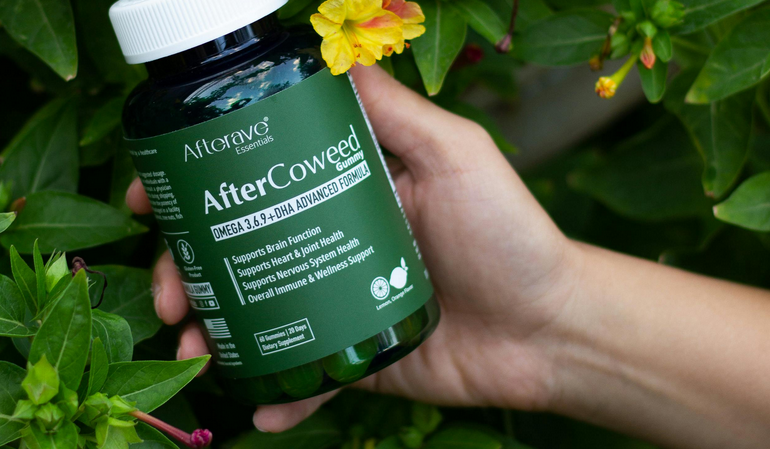
Smart pills typically include ingredients like caffeine, L-theanine, creatine, B-vitamins, and herbal extracts like ginseng or Bacopa monnieri. Some are backed by research. Others are still being studied. The goal is to support attention, memory, mental energy, and stress resistance. Most users aren’t expecting miracles. They’re looking for small but meaningful improvements. Being able to concentrate without constant distraction. Feeling less mentally foggy after lunch. These minor changes can make a big difference over time. Still, smart pills aren’t all the same. Some aim to reduce anxiety. Others focus on sustained energy. Formulas vary, and so do the results. That’s why it’s important to know what you’re taking and how it may interact with your body and existing habits.
Why This Trend Isn’t Slowing Down
Mental performance is now part of the larger wellness conversation. Just like people care about heart health or joint health, brain health is getting attention. The rise in smart pills reflects that shift. People want to stay mentally agile, not just physically active. Tech professionals, entrepreneurs, and even creatives are looking for tools to stay sharp. As work gets more digital and information-heavy, the need for focus grows. That’s unlikely to change anytime soon. What’s more, younger generations are more open to supplements in general. For them, using a smart pill is no more unusual than taking collagen or probiotics. That cultural openness is driving new product development and wider adoption.
From Fringe to Mainstream

Five years ago, talking about nootropics felt niche. In 2025, they’re in pharmacies, airports, and online wellness shops. Big brands have entered the market. The packaging looks clean and modern. Marketing focuses on productivity, focus, and natural energy. This shift has happened quietly but steadily. Workplace demands have grown. Remote work blurred the line between home and job. People want to stay sharp without burning out. Smart pills have been marketed as one tool to meet those pressures. They’re also easier to access than prescription stimulants. Many don’t require a doctor’s visit. That convenience appeals to busy adults who want a legal, non-invasive way to improve focus.
Not a Replacement for Healthy Habits
No smart pill replaces sleep, hydration, movement, or nutrition. Yet that’s often misunderstood. Some people expect pills to compensate for bad habits. That’s not how they work. Smart supplements function best when layered on top of a solid foundation. If you’re sleep-deprived, no pill will truly clear the fog. If you’re chronically stressed, no blend of herbs will fully restore clarity. Lifestyle habits matter more than any capsule. The most thoughtful users treat smart pills as part of a larger routine. They hydrate, eat whole foods, manage screen time, and then use supplements to fine-tune their edge. That’s how you ensure the safest, most effective results.
Regulation and Safety Remain in Focus

Because most smart pills are sold as dietary supplements, they don’t face the same scrutiny as prescription drugs. That opens the door to inconsistent quality and unclear labeling. Some brands include unproven or untested ingredients. Others add high doses of stimulants without clear warnings. In 2025, regulators and watchdog groups are increasing their attention. Consumer awareness is also improving. People want transparency. They want to know what’s in their pills and how those ingredients actually work. That demand is pushing responsible brands to invest in research and testing.
Smart pills are no longer a hype. They’re part of a growing shift in how people manage brain health. In 2025, they’re being used by more people, for more reasons, and with more precision. But they’re not magic. They work best when paired with strong daily habits and honest expectations. The trend is still evolving. More research is needed. But the direction is clear: cognitive wellness is here to stay, and smart supplements are carving out their place in the conversation. Whether you’re exploring focus, memory, or mental clarity, understanding how smart pills work is the first step in using them wisely.

 Brain-boosting supplements are any type of supplement that claims to improve mental performance. This includes vitamins and minerals such as B vitamins and magnesium, as well as herbal extracts like ginkgo biloba and L-theanine. These supplements are often said to improve focus, memory, concentration, and overall cognitive functioning.
 Brain-boosting supplements are becoming increasingly popular, but the scientific evidence for their effectiveness is still inconclusive. While some studies have found that certain ingredients can improve mental performance in certain individuals, more research is needed to confirm the benefits of these supplements.