
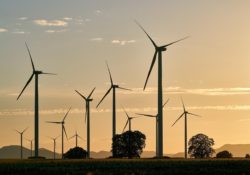
Wind energy is a form of renewable energy growing in popularity in recent years. This type of energy comes from the wind, converted into electricity. There are many advantages to using wind energy, including its environmental benefits and the fact that it is a renewable resource. However, there are also some drawbacks to using this type of energy. This blog post will discuss both the advantages and disadvantages of wind energy.
Advantages Of Wind Energy
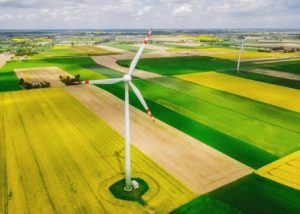 Wind energy is a renewable resource. You can use it repeatedly and there is no limit to how much can be produced. It is environmentally friendly. It does not produce any harmful emissions as fossil fuels do, and it does not take up any space on the earth’s surface like solar panels would need to.
It also has little impact on wildlife habitat as there is no danger of an oil spill causing widespread damage and death among animals, plants, or people. Wind energy can be used in many ways, including powering cars and homes with electricity generated from wind turbines. Wind turbines are a form of technology that harnesses the power from moving air to produce electricity. They can be placed anywhere there is enough open space, such as fields or hillsides where strong winds are blowing over them regularly throughout the year.
Drawbacks Of Wind Energy
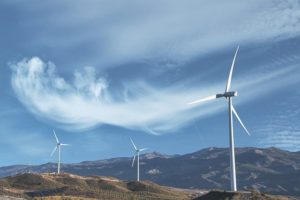 Wind energy is not always available. The wind does not blow all the time, so it is not a reliable energy source. This means that backup power sources such as fossil fuels or batteries need to be used when there is no wind or when the wind is not blowing strong enough to produce enough electricity.
Wind turbines can be noisy and disruptive to wildlife. They have large blades that rotate in a circular motion to capture the wind’s power, making noise as they turn. This can be disruptive for animals living nearby or even humans if they are close enough to hear it regularly throughout their day (such as near schools). Wind turbines also take up space on land where other plants or animals could live, and they can be dangerous if someone or something gets too close to them.
Wind energy is a great way to reduce your carbon footprint and help the environment. While it does have some disadvantages, such as needing windy areas to work well and being intermittent, it is still one of the most promising renewable energy sources available today. If you’re looking for a way to be more environmentally friendly and help combat climate change, consider using wind energy. Have you tried using wind power in your home or business? Let us know how it went in the comments below.

 This mostly applies to some ducted heating systems, which allows you to turn off the air conditioning in particular rooms. If the rooms are not occupied for a long time, there will not be a need to waste energy heating those rooms. When going to sleep, for example, you can save energy for all those sleeping in the unoccupied rooms. With good insulation, the rooms are likely to remain warm anyway.